


Tokyo in March 2026: Cherry Blossoms, Hinamatsuri & Hidden Hanami in Kagurazaka
- Shinya Yamada
- 2 days ago
- 4 min read

If April is applause,
March in Tokyo is anticipation.
Winter lingers quietly. Plum blossoms perfume the air. Cherry buds begin to swell.
For travelers seeking depth rather than spectacle, Tokyo in March 2026 offers a rare encounter with Japan’s aesthetics of transition — what we call utsuroi, the beauty of change.
Nowhere expresses this more clearly than Kagurazaka, a historic district where Edo elegance still lives.
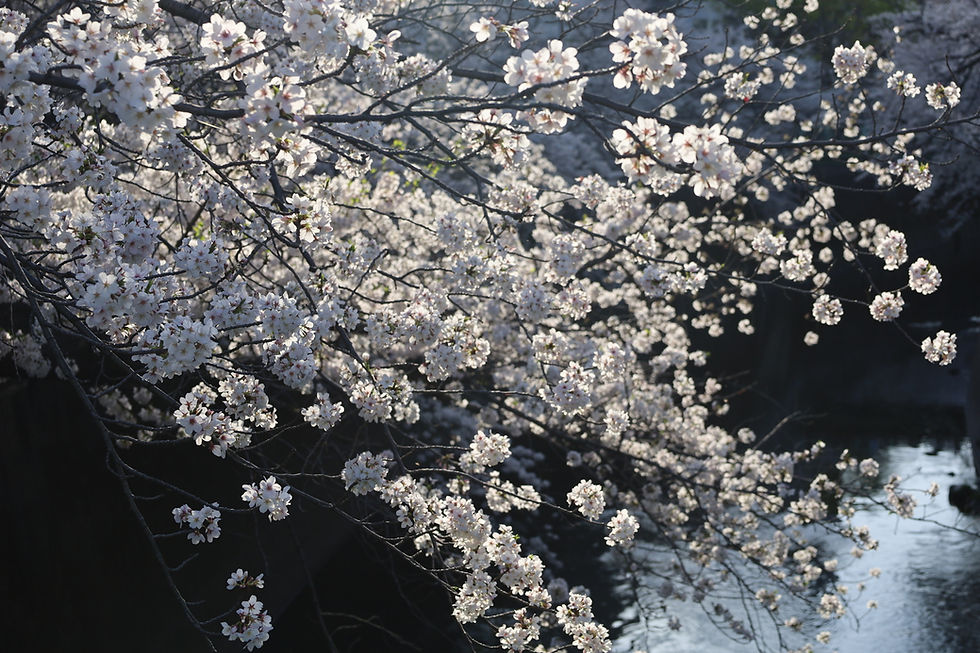
Cherry Blossoms in Tokyo 2026: Bloom Forecast Around March 20
According to the Japan Meteorological Association (announced February 26, 2026), cherry blossoms in Tokyo are expected to bloom around March 20, among the earliest in Japan.
What to Wear in Japan in March?
Average temperature: 10.4°C
Early March: winter coat recommended
Mid-to-late March: light jacket or spring coat
Layering is essential. March is transitional — and that is precisely its charm.
The Three Flowers of March in Tokyo
March in Tokyo is not only about cherry blossoms.
It is a relay of three flowers.
1. Plum Blossoms (Ume): Quiet Strength
Early March marks the peak of plum blossom season.
Stronger in fragrance than sakura and blooming in cold air, plum flowers symbolize resilience and refined beauty. Frequently depicted in ukiyo-e, they connect naturally to the Japanese concept of wabi-sabi.

2. Peach Blossoms & Hinamatsuri (March 3)
March 3 is Hinamatsuri (Doll Festival), celebrating the healthy growth of girls.
Peach blossoms bloom slightly later than plum and often around the same time as cherry blossoms.
In Kagurazaka, visitors may discover:
Traditional hina doll displays
Seasonal sweets such as hina-arare and hishi-mochi
Elegant decorations tucked into quiet alleyways
During this time, the district feels like a living gallery in soft shades of pink.

3. Cherry Blossoms & Hanami Culture
From March 20 onward, Tokyo gradually shifts into hanami season.
But hanami is not simply flower viewing.
It is a cultural ritual — gathering beneath blossoms, sharing food and sake, and reflecting on life’s impermanence.
Graduation Season in Kagurazaka: A Symbol of New Beginnings
Mid-March marks graduation ceremonies across Tokyo.
Kagurazaka is home to Tokyo University of Science and Hosei University, and it is close to Waseda University.
During this period, you will see women in elegant hakama kimono (traditional pleated trousers worn over kimono) walking through the streets.
“Japanese graduation ceremony in kimono” is becoming an increasingly searched phrase, and witnessing it offers one of the most emotional spring scenes in Japan.
March is farewell and departure. It is the season of thresholds.

Cultural Experiences in Kagurazaka in March
Seeing is one thing. Experiencing is another.
Edo Traditional Dyeing × A Hidden Hanami Perspective
At Tomita Sen Kogei, visitors can create a silk stole using the traditional Edo Sarasa dyeing technique under the guidance of a master craftsman "A Master of Traditional Craft".
A rare highlight in March:
The chairman’s Taisho-era wooden residence opens its second floor (paid access), offering a breathtaking view of cherry blossoms lining the Kanda River — a hidden hanami perspective known mostly to locals.

Ukiyo-e Printing Experience × The Spirit of Edo Hanami
Spring is the ideal season to try a ukiyo-e woodblock printing experience in Tokyo at Takahashi Kobo.
You can print works such as Hokusai’s The Great Wave off Kanagawa from his series Thirty-Six Views of Mount Fuji with your own hands.

Edo-period ukiyo-e frequently depicted hanami gatherings. Scenes of people spreading mats beneath cherry blossoms closely resemble modern cherry blossom celebrations today.

Hiroshige’s One Hundred Famous Views of Edo portrays renowned cherry blossom sites along the Sumida River and near Koganei Bridge, capturing Edo’s spring atmosphere.

Through printing these works, visitors participate in a seasonal tradition that has continued for centuries.
Spring Wagashi & Authentic Matcha Experience
March introduces seasonal sweets such as:
Sakura mochi
Yomogi (mugwort) mochi
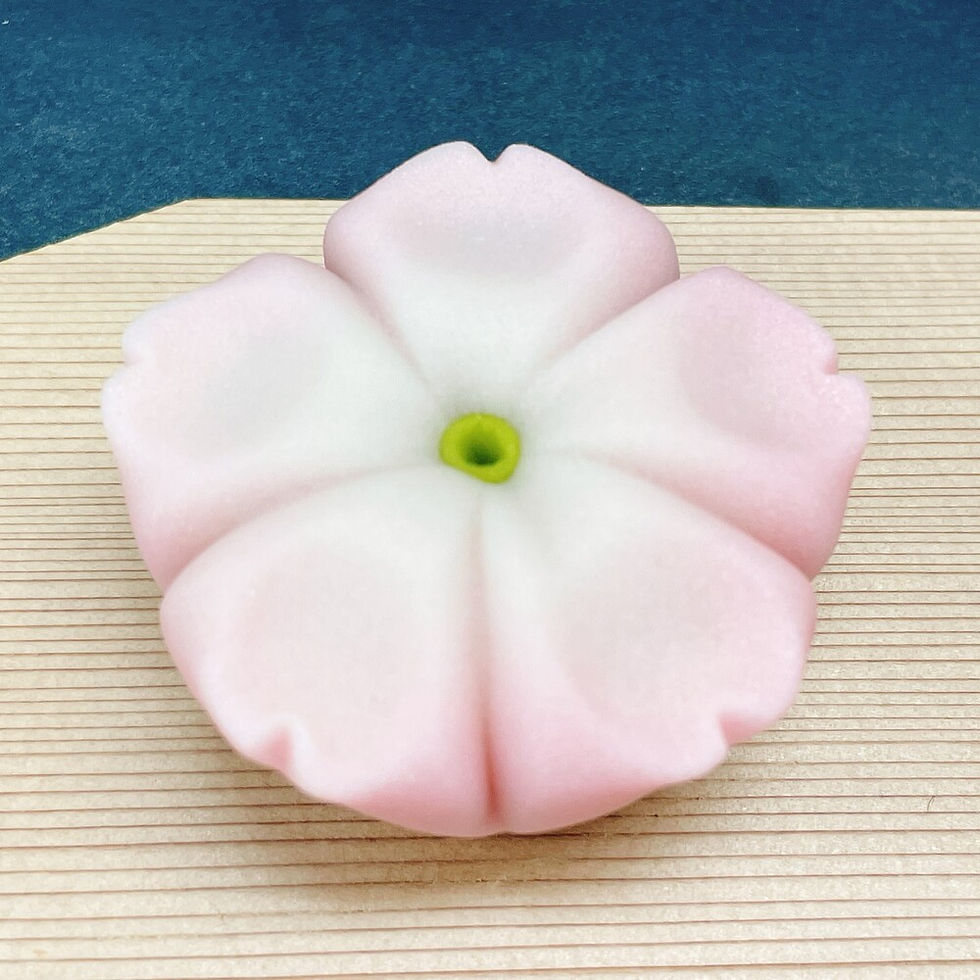
Handcrafted nerikiri
Paired with matcha, this becomes more than a culinary experience — it is a dialogue with the season.
Beyond the global matcha trend, this is authentic tea culture in its proper context.
Hidden Hanami Spots in Kagurazaka (Avoid the Crowds)
While popular spots like Canal Café may involve long waiting times during cherry blossom season in Tokyo, knowledgeable travelers seek quieter locations.

Location | Character | Why it's a "Hidden Gem" |
Tsukudo Hachimangu Shrine | A magnificent solitary cherry tree. | Almost no crowds; perfect for quiet contemplation. |
Akagi Shrine | Modern architecture meets glowing night blossoms. | After 8 PM, the precincts are nearly empty and ethereal. |
Kanda River (Edogawabashi to Waseda) | A stunning "Sakura Tunnel" near Edogawabashi. | Far less crowded than the Nakameguro/Meguro River. |
If you are searching for hidden cherry blossom spots in Tokyo, this area remains one of the city’s best-kept secrets.

Ohigan (Spring Equinox): Spiritual Tokyo in March
Mid-March is also Ohigan, when families honor their ancestors.
Offering botamochi (sweet rice balls coated with red bean paste) and visiting temples reveals a deeper layer of Japanese spirituality.
In Kagurazaka, Bishamonten Zenkoku-ji Temple provides a serene space to experience this quiet atmosphere.
Conclusion: Choose Meaning Over Applause
April offers spectacle.
March offers meaning.
Cherry blossoms not yet fully open.Graduates stepping into new lives.Plum fragrance lingering in cool air.
If you wish to understand Japan — not only photograph it —Tokyo in March, especially Kagurazaka, may be the most profound season to visit.
Travel Guide in Tokyo
Book Each Experience
How to Access Kagurazaka
The Kagurazaka area is conveniently located within 30 minutes from any major station in Tokyo. This is because Kagurazaka is situated in the heart of Tokyo, at the center of the Yamanote Line. Please come and visit this convenient and charming Kagurazaka.


Comments